Landlords & letting agents
To assess the fixed electrical installation and maintain appropriate records for a rented property.
Electrical Installation Condition Reports help identify the condition of a property’s fixed wiring, consumer unit, circuits and accessories. Fife Electricians carries out clear, professional EICR testing for homeowners, landlords, buyers and businesses across Fife.
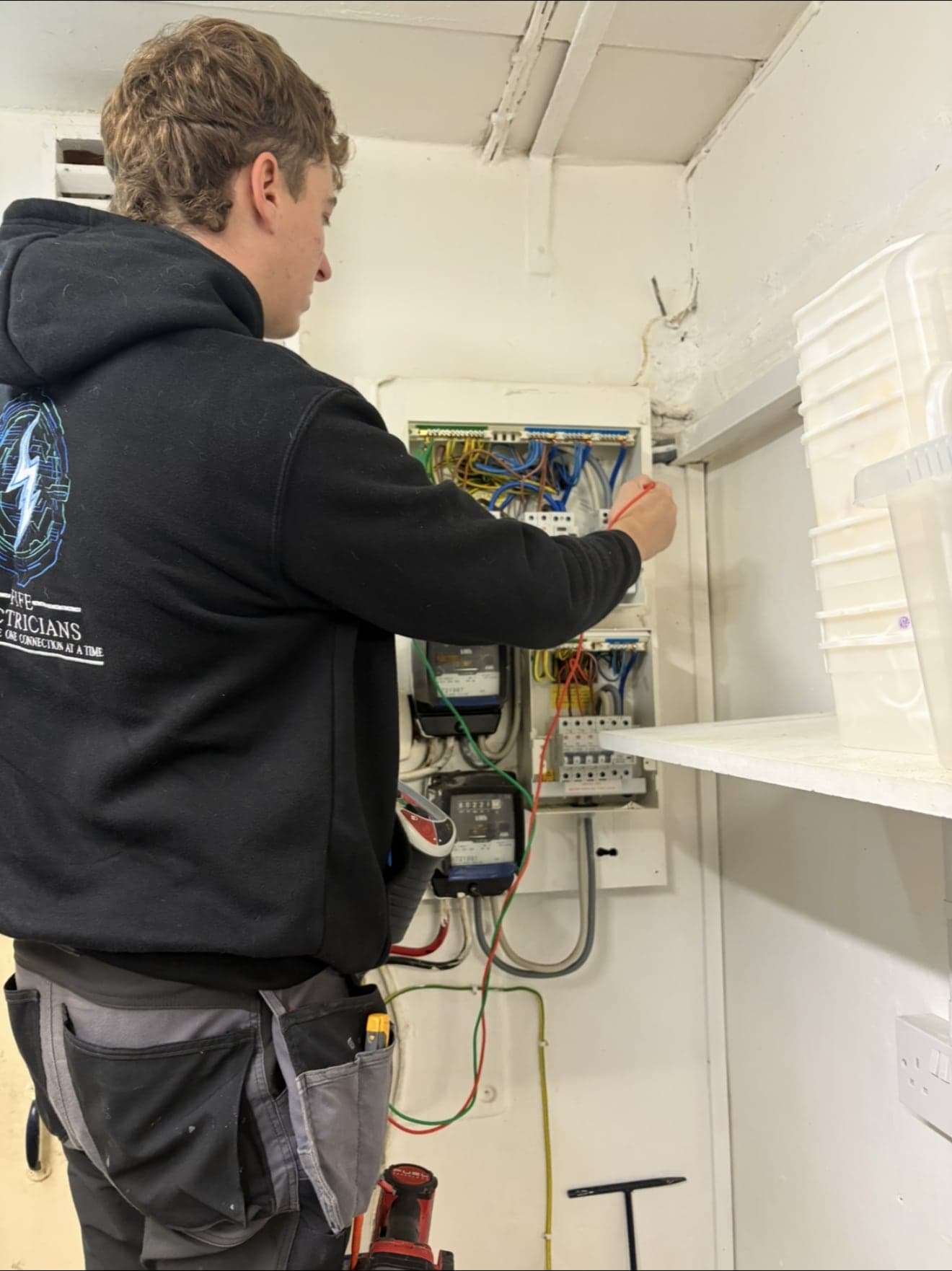
An Electrical Installation Condition Report (EICR) is an assessment of the condition of the fixed electrical installation in a property: the permanent wiring and equipment, rather than plug-in appliances. A qualified electrician inspects and tests the installation and records its condition in a formal report. Depending on the property, the inspection can include:
People arrange an EICR for all sorts of reasons. Here are the most common, though not every situation is a legal requirement, and we’ll always advise honestly on what your property actually needs.
To assess the fixed electrical installation and maintain appropriate records for a rented property.
For reassurance about the condition of the wiring, particularly in an older property or before renovation work.
To understand the condition of the electrics before committing to a purchase, or before putting a home on the market.
To assess the condition of fixed wiring in offices, shops, workshops, restaurants, salons and other commercial premises.
To keep condition records across managed properties and coordinate any recommended remedial work.
Where the age of the installation is uncertain, or where there’s a history of recurring electrical faults worth investigating.
A clear, methodical process from first contact to final report.
We confirm the property type, the reason for testing, access arrangements and any known electrical concerns.
We inspect the consumer unit, sockets, switches, visible wiring, earthing, bonding and any signs of damage or deterioration.
We carry out appropriate circuit testing and measurements using professional test equipment.
We compare the findings against the relevant electrical safety standards and identify any observations.
We provide the EICR and explain the findings in clear language, so you understand exactly what it means.
Where defects are identified, we provide a clear quotation for the recommended remedial work.
Some circuits may need to be switched off temporarily while testing is carried out. We explain what access and interruption may be required before the inspection begins, so you can plan around it.
If your report lists observations, they’re given a classification code. Here’s what those codes mean in plain English:
A defect presenting an immediate risk. Immediate action is required to remove or make the danger safe.
A potentially dangerous defect requiring urgent remedial action.
The installation may still be recorded as satisfactory, but an improvement is recommended.
The inspector cannot fully determine the condition or cause during the initial inspection. Further investigation is required as soon as reasonably practicable.
An EICR containing C1, C2 or FI observations is normally recorded as unsatisfactory. A C3 observation on its own does not make the report unsatisfactory. Whatever your report says, we’ll talk you through it.
Need help understanding an existing EICR? Email your report or call 01592 407374.
An unsatisfactory report can sound alarming, but it doesn’t automatically mean your property needs a full rewire. Often it means specific, targeted work, and we’ll always tell you honestly what’s actually needed.
Depending on what’s found, remedial work might involve a full or partial rewire, a consumer unit upgrade, or fault finding and repairs, and because we do all of it, you deal with one team from inspection through to completion.
Discuss remedial work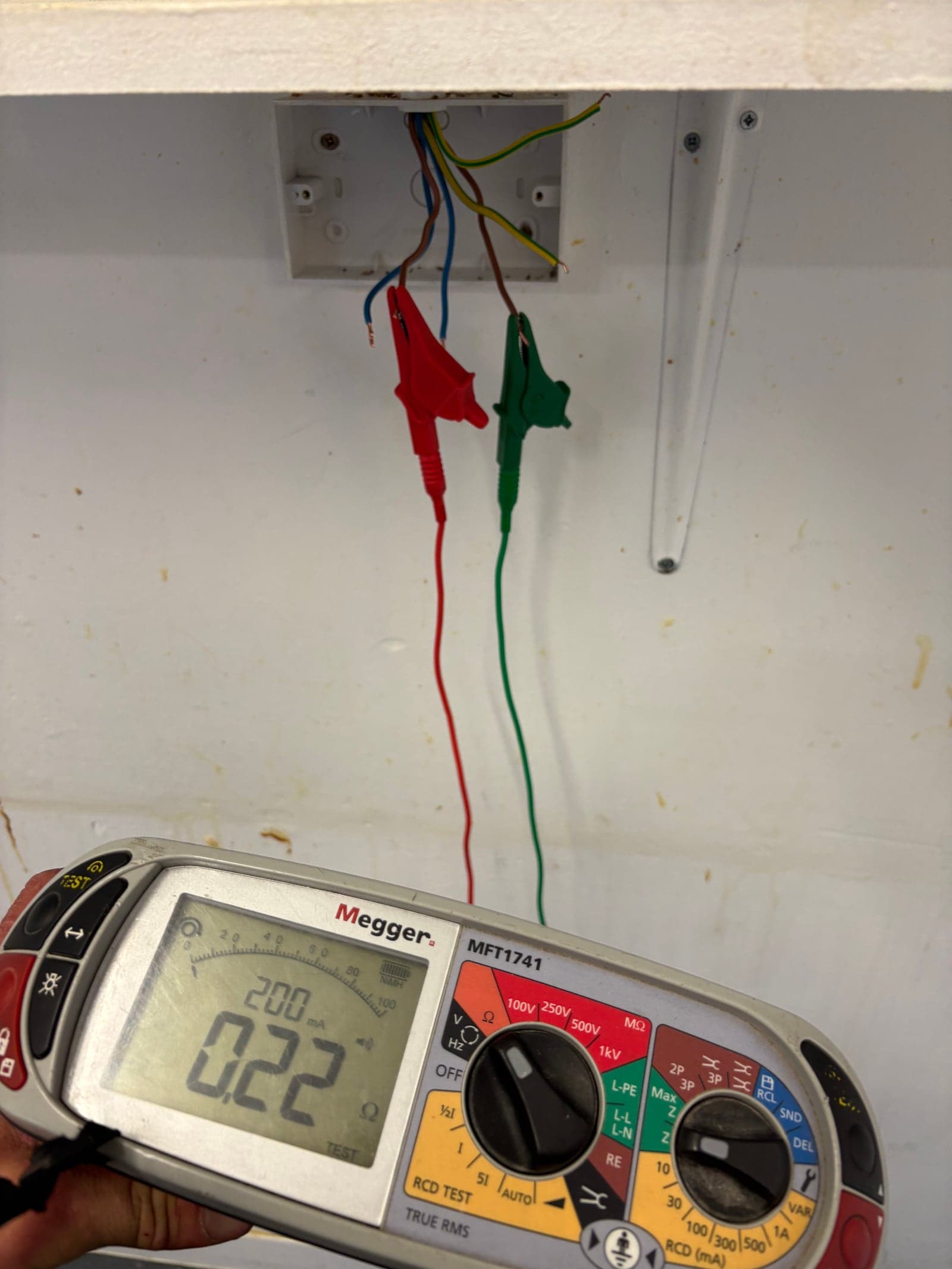

Private landlords in Scotland must ensure that a current electrical safety inspection is in place for the property. The inspection must be completed before the property is let for the first time and repeated at intervals of no more than five years, or sooner where the previous inspection recommends a shorter interval. It does not need to be repeated every time a new tenancy begins if the existing inspection is still current. Before the tenancy starts, the incoming tenant must be given copies of the current EICR and the relevant in-service inspection and testing of electrical equipment report, commonly called the PAT report.
For private rented properties, the wider electrical safety inspection includes an EICR covering the fixed electrical installation and inspection and testing of electrical equipment supplied by the landlord. PAT testing and the EICR remain separate records, but both may form part of the landlord’s electrical safety responsibilities.
We work with landlords, letting agents and property managers across Fife and can help with:
Scottish Government guidance recognises NAPIT, SELECT and NICEIC as accredited registration schemes when assessing competence for this work. We can advise on the inspection required for your property and provide the appropriate report and certification for the work completed.
Arrange a landlord electrical inspectionThere’s no legal requirement for an owner-occupier to have an EICR, but plenty of homeowners and buyers choose to have one for peace of mind. It’s worth considering:
Where the installation has some age to it and you’d like to know its true condition, without assuming an older home is automatically unsafe.
When you don’t know when the property was last inspected or what work has been done over the years.
So you can plan any electrical work into a project properly, rather than discovering issues halfway through.
If you’ve had tripping, flickering or other niggles and want to understand what’s behind them.
To understand the electrics before you commit, or if a survey or homebuyer’s report has flagged a concern.
To confirm whether a full rewire is really needed, or whether targeted work would be enough.
We carry out fixed-wire testing and EICRs for commercial premises across Fife: offices, shops, restaurants, salons, workshops, warehouses, landlord-controlled commercial units, communal areas and property-management portfolios.
Commercial testing has to be planned carefully around your business, so we take account of:
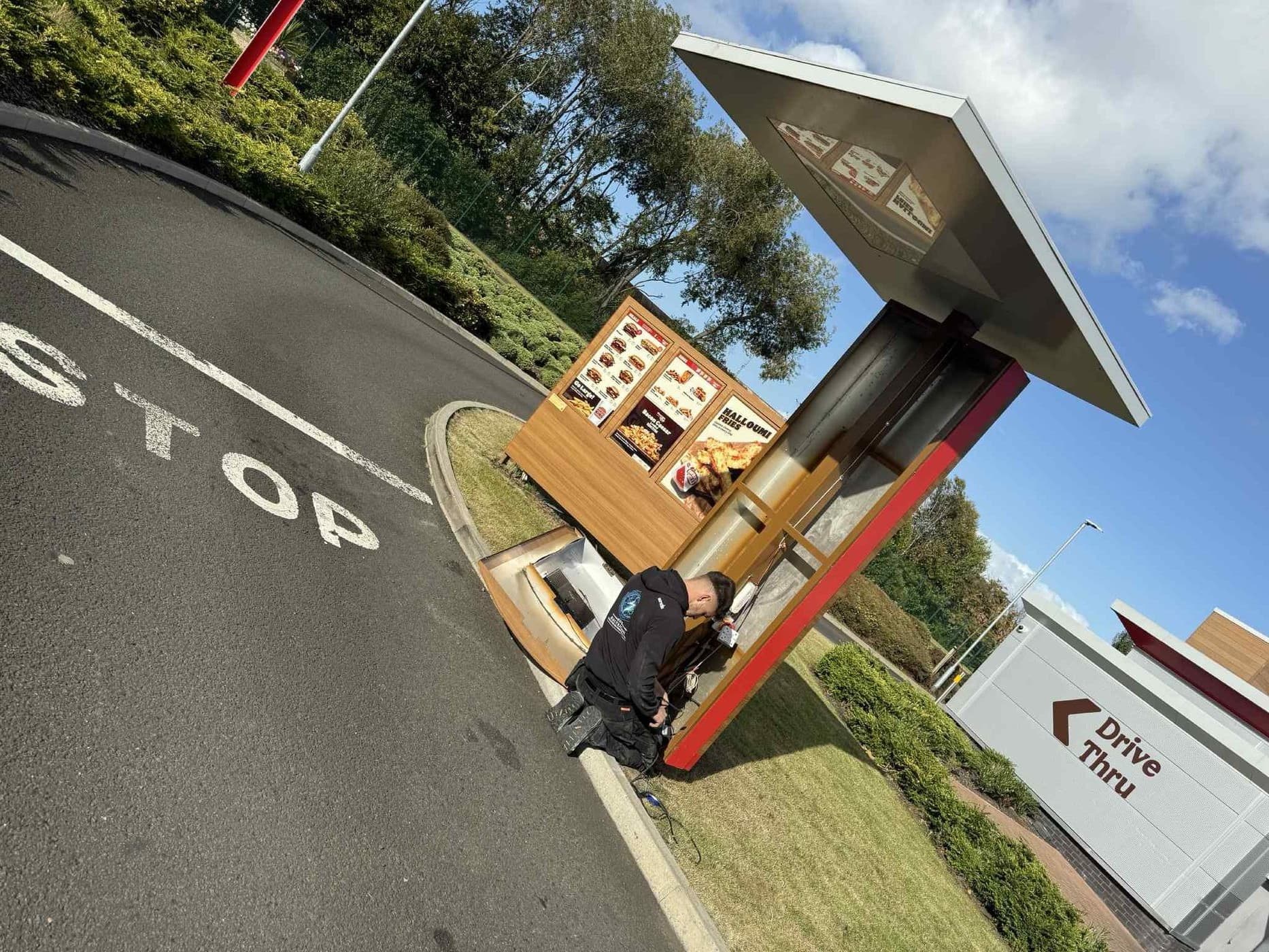
We provide a clear quotation based on the property and the scope of testing required, rather than using a one-price-fits-all approach. The things that shape the quotation include:
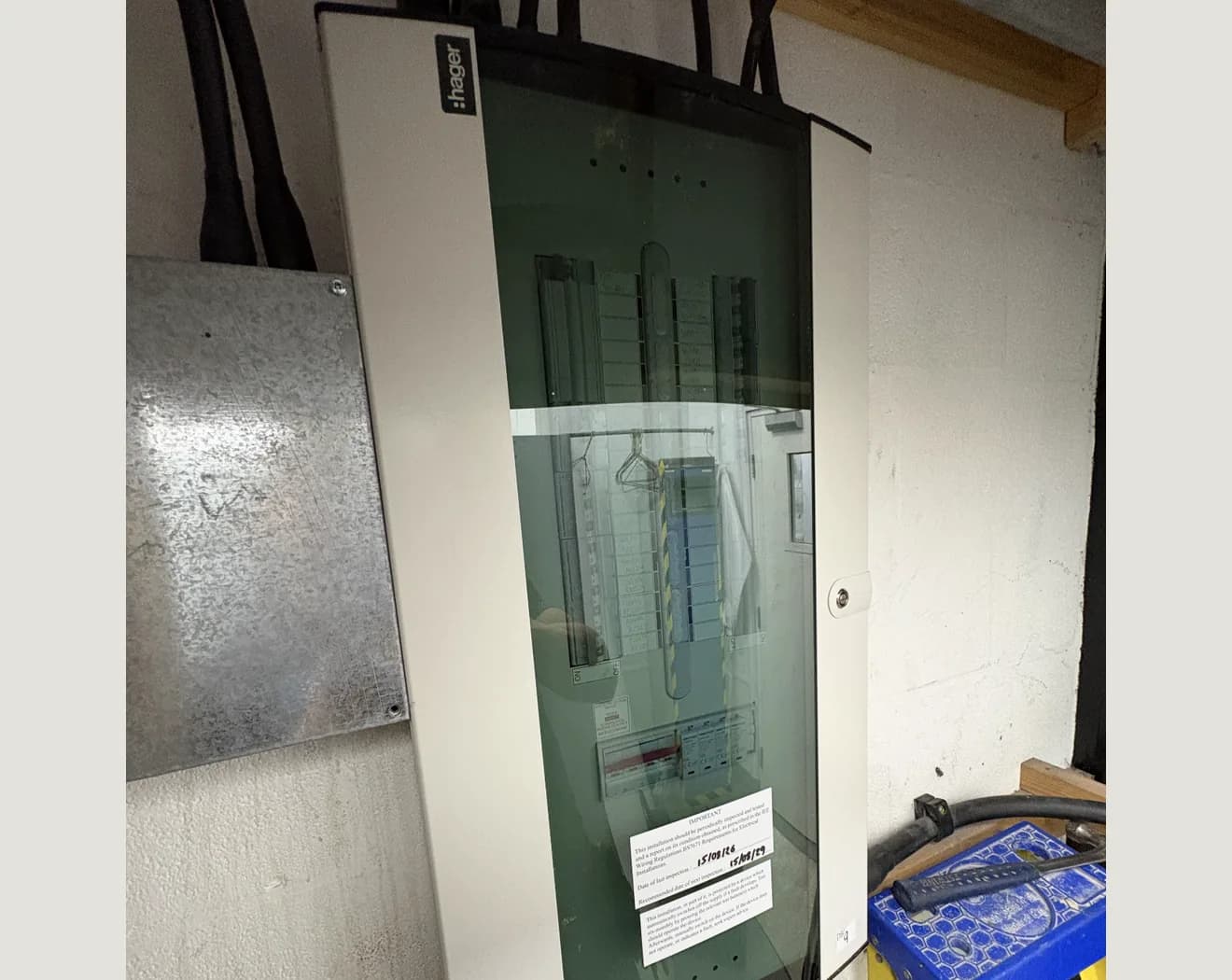
Once the inspection and testing are complete, you receive a clear report and a proper explanation, never just a verdict with no context. Your EICR includes:
An inspection is only as useful as the electrician doing it and how well they explain the results.
Based in Kirkcaldy, Fife Electricians carries out domestic, landlord and commercial electrical testing throughout Fife, including Dunfermline, Glenrothes, Leven, Cupar, St Andrews, Cowdenbeath, Burntisland, Dalgety Bay, Dysart, the East Neuk and surrounding towns and villages. Wherever your property is in Fife, we can inspect it and explain what we find. See our Kirkcaldy electricians page or all the areas we cover.
Tell us about the property and what you need, and we’ll come back with a clear, no-obligation quotation. The more detail you can give, the more accurately we can help.